
Which Vehicle Fluid Protects, Cools, Cleans, and Lubricates at the Same Time?
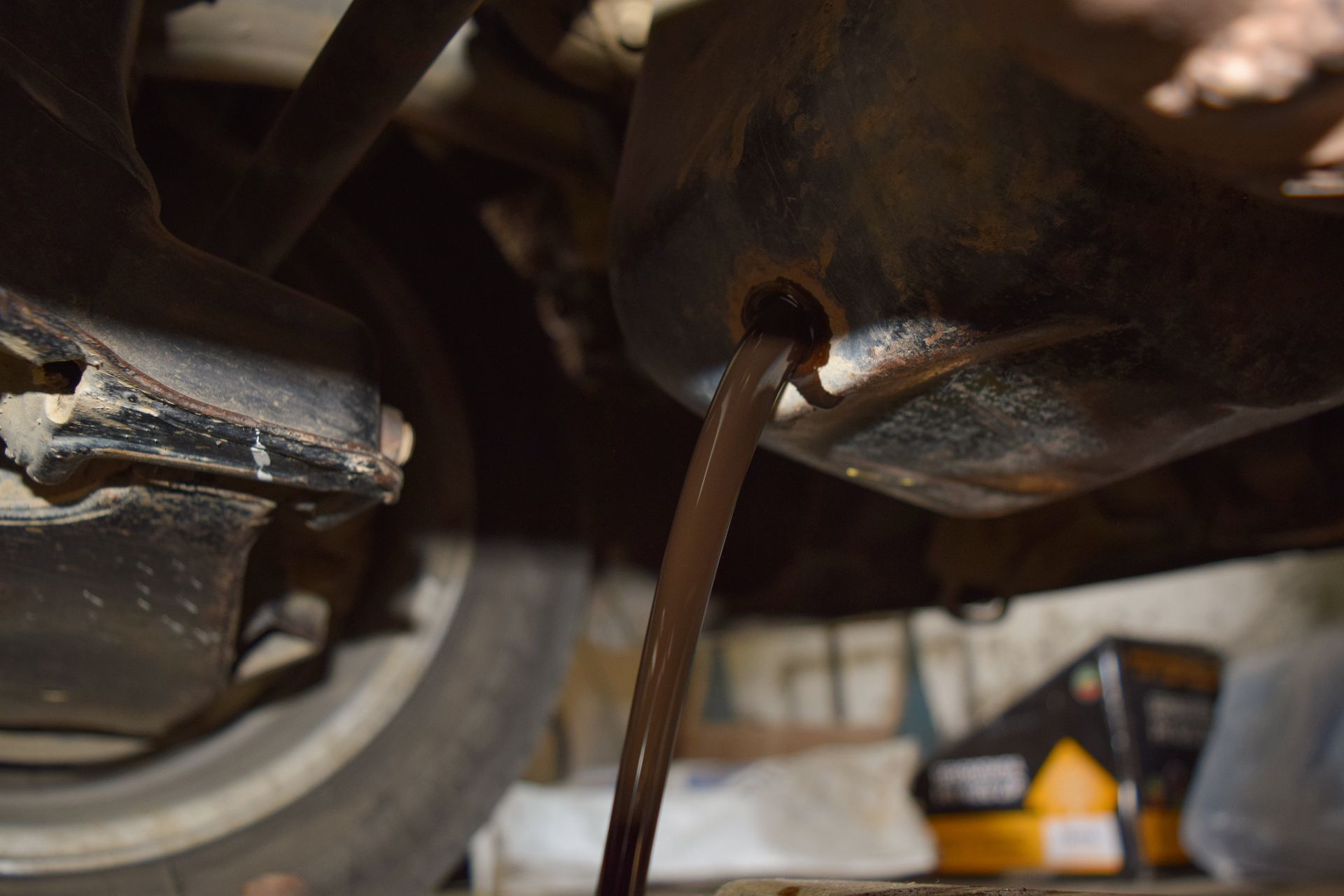
Pull the dipstick between services, and the oil often looks darker than when you put it in. While you were driving, that fluid did more than keep the level between the two marks on the stick.
Several fluids manage heat or lubricate parts around the car. Inside the engine, one has to perform all the jobs in the title while moving through hot passages and close-fitting surfaces. Its condition changes throughout that work.
How Engine Oil Protects and Lubricates
Engine oil lubricates moving surfaces, carries heat, helps control deposits, and protects against wear and corrosion through its formulation. The base lubricant and additives work together; it isn't simply liquid that makes parts slippery. Those functions also explain why level alone doesn't settle whether service is due. A full engine still contains the oil that has experienced every start, hot drive, and short errand since the last change. Adding a little more replaces missing volume without renewing everything already in service.
Bearings and other moving parts rely on a film of oil between surfaces. That film carries load and reduces direct contact while the engine runs. The lubricant needs the right properties at startup and at operating temperature. Too little oil, inadequate pressure, or a lubricant outside the engine's requirements threatens that protection. We'd check the amount using the manufacturer's procedure and review warning history if lubrication is in question. An oil pressure warning while running requires a safe stop and shutdown, not simply waiting for the next oil-change appointment.
How Engine Oil Carries Heat and Contamination
Oil takes heat from parts it contacts and releases it elsewhere as it circulates. Some engines also use directed oil jets or an oil cooler to manage particular heat loads. Turbocharger bearings are another area where the lubricant works in demanding conditions. This supports engine cooling but doesn't replace the coolant's job. A radiator leak still needs repair, even with fresh engine oil. Likewise, an overheating event can affect the oil's condition and call for reviewing both the original cooling fault and any resulting engine concern.
Detergent and dispersant additives help control deposits and keep certain contamination in suspension. Some particles reach the filter and are captured there. Other chemical changes and dissolved contamination remain reasons for replacing the oil itself. Dark oil isn't automatically ruined oil. It often darkens during normal operation, and appearance alone doesn't indicate additive depletion or remaining service life. Follow the engine's interval and operating conditions instead of waiting for a particular shade on the dipstick.
The Oil Filter Has a Separate Job
The filter captures particles within its design capability. It doesn't restore used additives or reverse oxidation, fuel dilution, and other chemical changes in the lubricant. That is why replacing only the filter isn't the same as an oil and filter change. The filter also needs to match the application, including its flow and valve requirements. A part that screws onto the engine isn't automatically the right design. We'd use the specified oil and filter together.
What to Check Between Oil Changes
- Oil level checked by the vehicle's procedure
- Oil added, with the mileage recorded
- New spots, residue, or a burning smell
- The date and mileage of the last service
- The required oil approval and viscosity
The rate of loss tells us more than saying the car uses some oil. Adding a quart over a short distance calls for a different review from a level that stays stable throughout the interval. Leakage and consumption need their sources checked rather than being hidden by repeated unrecorded top-offs.
Oil Specification Is More Than the Viscosity Number
Viscosity describes how the oil behaves under defined temperature conditions, but the engine may also require specific industry or manufacturer approvals. The bottle needs to meet the full requirement.
A turbocharged engine or one with oil-operated timing equipment sometimes has demands that a generic oil recommendation misses. Use the manual for the exact engine. The synthetic label doesn't waive an approval requirement or give every vehicle the same extended interval.
Oil Change Timing and Existing Engine Wear
Repeated cold starts and short journeys can leave moisture and fuel contamination because the oil spends little time fully warm. Mileage stays low while those starts and the calendar keep adding up. Review the manufacturer's time limit and any severe-service instructions that match the driving. Errands around Plano sometimes call for a different interval than long, steady trips. Tell us how the car is used so the next service date reflects its requirements instead of a sticker chosen without that history.
Schedule an overdue change promptly, and describe any new noise or warning before the engine runs again. Fresh lubricant renews the fluid's properties, but a damaged bearing or worn timing part needs its own repair. Avoid choosing a generic engine flush to address suspected sludge without reviewing the engine's condition and instructions. We'd start with the service history, level, and symptoms, then decide which checks are needed beyond routine maintenance.
Oil and Filter Service at Plano Lube & Auto Repair
Plano Lube & Auto Repair in Plano, TX, can review your engine's oil specification, service interval, and any loss between changes. Bring the maintenance record and tell us how much oil you've added and over what distance.
Call
Plano Lube & Auto Repair to schedule oil and filter service or discuss an engine oil concern.