
9 Things That Can Trigger A Check Engine Light
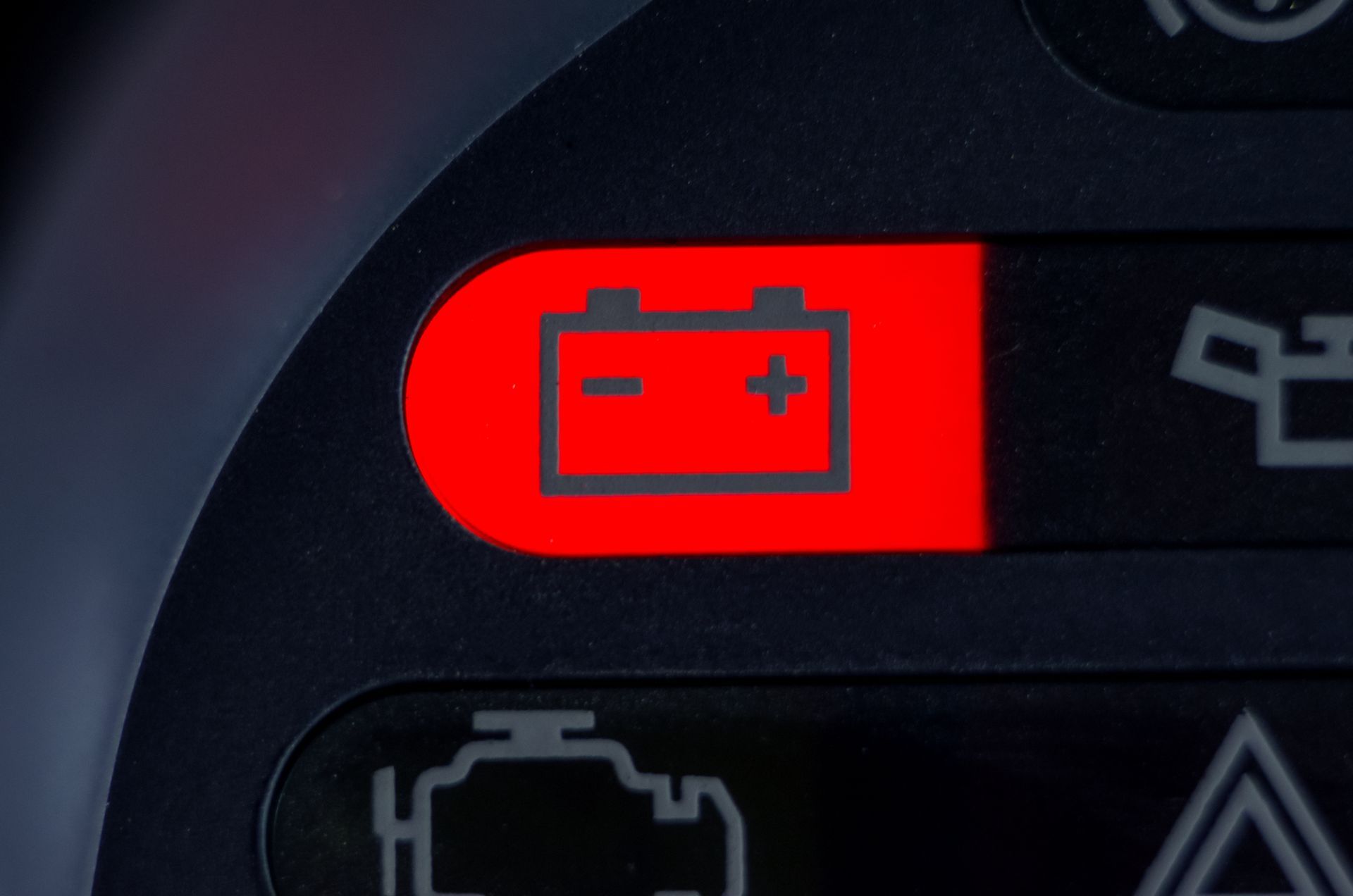
A check engine light can feel vague because the car might still drive normally. In most cases, it is the vehicle telling you something is out of range, not that you should pull over immediately. One exception is a flashing light, which usually means a serious misfire that should be handled right away. Regular maintenance helps reduce surprises, but this light is still your cue to stop guessing and start narrowing down the real cause.
Loose Or Missing Gas Cap
This is one of the most common triggers, and it can happen after a quick fill-up. A loose cap lets fuel vapors escape, and the EVAP system notices the leak. Tightening the cap can sometimes solve it, but the light may take a few drive cycles to clear. If the cap seal is cracked or the threads are damaged, it needs to be replaced.
EVAP Leak Or Purge Valve Problem
The EVAP system stores fuel vapors and routes them back into the engine to be burned. When a hose cracks, a canister gets saturated, or a purge valve sticks, the system can no longer control vapors correctly. You may notice a fuel smell near the vehicle, or rough starting after refueling, in some cars. This is a common one we see after temperature swings or aging rubber lines.
Worn Spark Plugs Or Ignition Coil Misfire
Misfires are a frequent cause of the check engine light, and they are not always obvious. Some vehicles misfire lightly under load and feel like a small stumble on acceleration. Others feel rough at idle, especially when cold. If a misfire is active enough, it can overheat the catalytic converter, so it is smart to address it quickly.
Dirty Mass Airflow Sensor Or Air Intake Issue
The mass airflow sensor measures how much air is entering the engine, which helps control fuel delivery. If it gets dirty or the intake has an air leak after the sensor, the engine may run too rich or too lean. Symptoms can include hesitation, uneven idle, or worse fuel mileage. A loose intake clamp or a cracked intake boot can cause the same kind of trouble.
Vacuum Leak In A Hose Or Gasket
Vacuum leaks let extra air into the engine where it should not be. That can lean out the mixture and cause rough idle, surging, or hesitation. Some leaks are small enough to only show up when the engine is cold, then lessen once the parts warm up. A whistle sound during acceleration can be another clue that air is slipping through a small gap.
Oxygen Sensor Aging Or Slow Response
Oxygen sensors help the engine adjust the fuel mixture in real time. As they age, they can respond slower or report inaccurate readings. The car may still run, but fuel trims drift, and mileage can drop. Many drivers do not notice anything until the light comes on, which is why sensor issues often feel like they came out of nowhere.
Catalytic Converter Efficiency Code
A catalytic converter code does not always mean the converter is instantly bad. Sometimes it reacts to upstream issues, such as misfires, fuel control problems, or an exhaust leak, which can change sensor readings. If the engine has been running rich or misfiring, the converter can get overheated and damaged over time. Fixing the root cause early is usually the best way to avoid turning this into a bigger repair.
Cooling System Temperature Issues
Engines are picky about temperature. If a thermostat sticks open, the engine may run cooler than intended and stay in a less efficient warm-up strategy longer. If a sensor reading is off, the computer can fuel incorrectly or set a code for temperature performance. A driver might notice slow cabin heat, temperature gauge behavior that seems odd, or mileage dropping without a clear reason.
EGR Or PCV System Problems
The EGR and PCV systems help manage emissions and crankcase vapors. When they clog, stick, or fail, they can cause rough idle, hesitation, oil consumption symptoms, or fuel trim codes. These issues often build up gradually, so drivers adapt to the way the car feels until the light forces an inspection. If you notice the idle getting rougher over time or new oil residue where it should not be, these systems are worth checking.
Get Check Engine Light Service In Plano, TX With Plano Lube & Auto Repair
If your check engine light is on, the next step is booking a service so the cause can be repaired correctly before it turns into a bigger drivability or emissions problem.
Schedule service with Plano Lube & Auto Repair in Plano, TX, so the issue can be confirmed, fixed the right way, and cleared without throwing parts at the car.