
Plano Drivers Who Work From Home: Why Does Your Low-Mileage Car Keep Needing a Jump Start?
The commute disappeared, but the car stayed. Now it spends most weekdays parked, makes a grocery run on Saturday, and needs a jump when you finally have somewhere farther to go. The battery isn't necessarily very old, and the odometer has barely moved since its last service.
That routine is different from driving to work every morning. Before buying another battery, look at how often the engine starts, how long each trip lasts, and whether anything stays plugged in while the vehicle is parked. The missing miles can explain part of the change without explaining every dead battery.
Short Errands Can Leave the Battery Partly Discharged
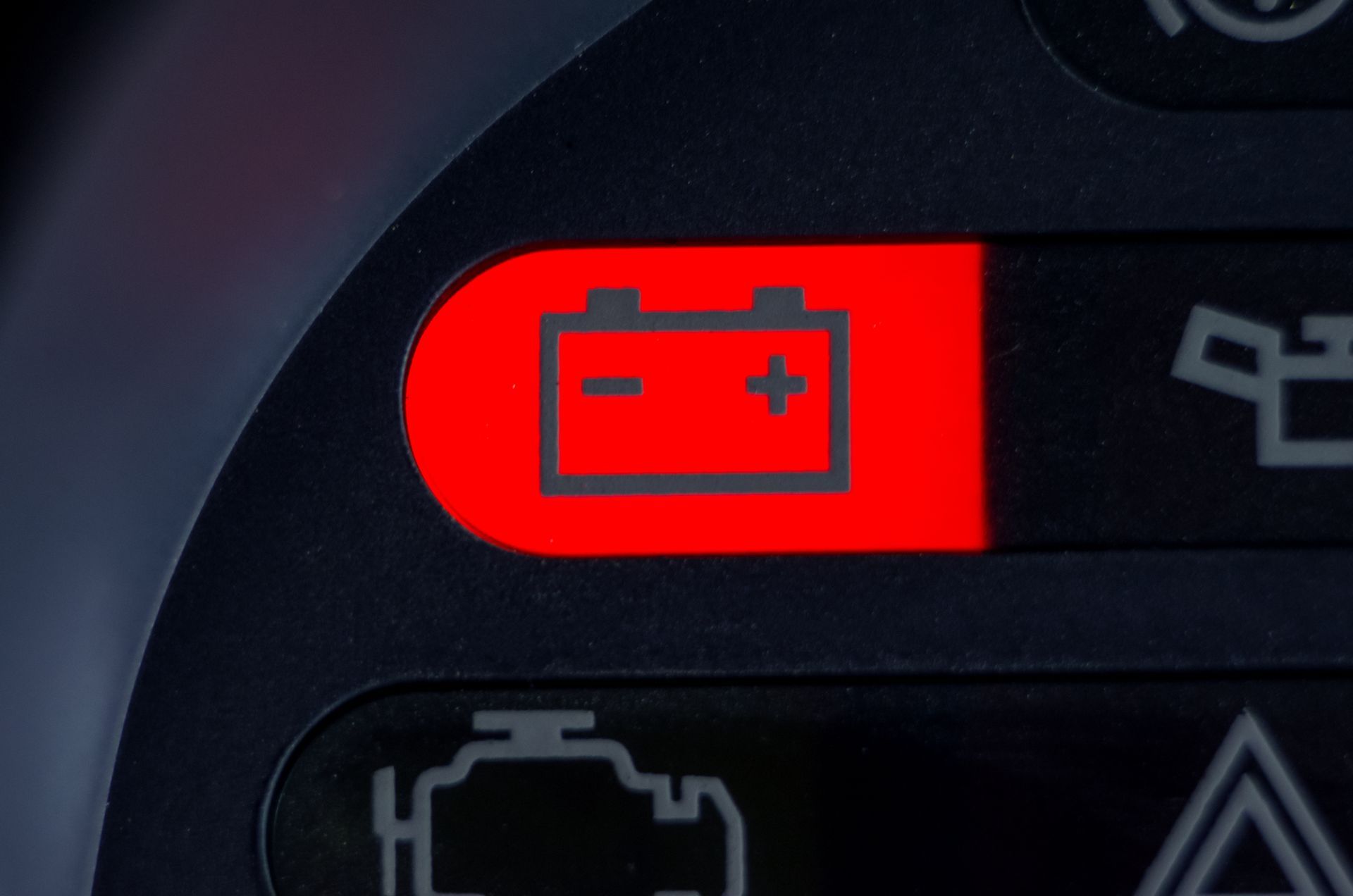
Starting uses energy that the charging system must replace. A brief trip with lights, climate control, and other electrical equipment operating might end before a depleted battery has recovered. Repeating that pattern can leave the vehicle parked with less charge than the driver expects.
A car can therefore start after yesterday's errand and struggle after several quiet days. That doesn't prove the alternator is weak or the battery is worn out. State of charge and battery condition are separate questions. One describes how much energy is available now; the other concerns the battery's ability to store and deliver energy after proper charging.
Parked Cars Still Use Electricity
Security, keyless-entry, and control systems retain some electrical activity while the vehicle is off. Once the electronics settle into their intended sleep state, that demand should stay within the vehicle's specifications. A healthy system still gradually uses stored energy, particularly over longer periods without driving.
Aftermarket cameras, trackers, chargers, and remote-start equipment deserve attention when the parking routine changes. Some devices turn off correctly; others remain active. Unplugging an accessory and noticing an improvement is useful evidence, but it doesn't show whether repeated deep discharges have also weakened the battery.
A Jump-Start Doesn't Finish Recharging the Battery
Getting the engine running again is not the same as restoring a full charge. Driving around for an arbitrary twenty minutes won't reliably recover every flat battery. Recovery depends on its condition, the charging system, temperature, and how much energy was lost.
We start with a suitable controlled charge when the battery needs it, then test it under the appropriate conditions. A battery that performs properly after charging shouldn't be condemned just because it arrived discharged. One that fails a valid test or quickly loses capacity needs a different recommendation, along with an explanation of why it went flat.
Low Mileage Doesn't Stop Battery Aging
Battery life isn't tied to the odometer the way tire wear is. Time, heat exposure, deep discharge, and the battery's operating history all affect its condition. A low-mileage vehicle can have an older battery that no longer has enough reserve for the longer gaps between trips.
The correct replacement also depends on the vehicle. Battery technology, capacity, venting, and fit must match the vehicle's requirements, and some vehicles require the replacement to be registered with their battery-management system. Installing a cheaper battery of the wrong type can create another problem even when it physically fits in the tray.
Repeated Discharge Calls for an Electrical Test
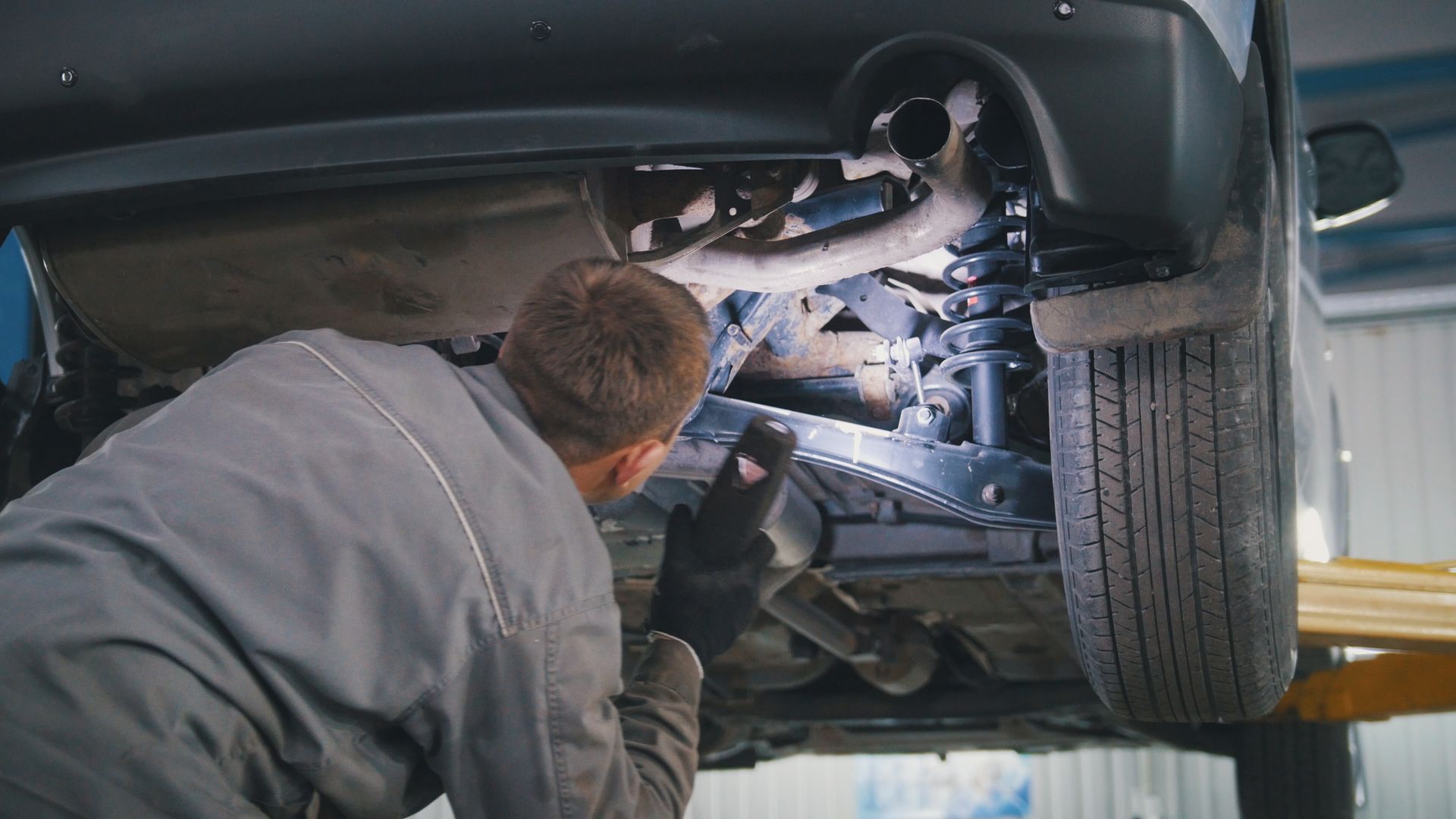
A battery that goes flat again after proper charging and a successful condition test deserves investigation for excess parked draw. During an inspection, we allow the vehicle to reach the appropriate sleep state and measure what happens over time. Testing immediately after opening a door can capture normal wake-up activity rather than the fault.
Intermittent drains sometimes follow a particular sequence, such as using the liftgate or leaving a device connected. Record how long the car sat and what was used before parking. Also check charging output and cable connections, because a vehicle starting each parking period undercharged can look as though it has an overnight electrical drain.
Choose a Parking Routine That Fits the Car
For a vehicle used infrequently, a compatible battery maintainer can be useful when safe access to power is available. It must suit the battery type and connect at the points specified by the vehicle manufacturer. A maintainer isn't a repair for excessive draw or a damaged battery.
Occasional purposeful driving can help a healthy vehicle, but starting it for a few minutes in the driveway is not an effective charging plan. Never run the engine in an enclosed garage. Include battery condition in regular maintenance, and tell the shop your driving has changed; a schedule built around daily commuting no longer reflects how the car is used.
Get Battery And Charging Service In Plano, TX, With Plano Lube & Auto Repair
Plano Lube & Auto Repair in Plano, TX, can distinguish a discharged battery from a worn one and check for charging or parked-draw problems. Tell the advisor how many days the car normally sits between trips.
Contact us to arrange battery testing and a practical plan for your current driving routine.