
Back-to-School Auto Service: What Parents Should Check Before Fall
Once school starts, family vehicles tend to get busy fast. Morning drop-offs, sports practices, after-school activities, grocery runs, and weekend plans can add a surprising amount of mileage compared with the slower pace of summer.
That makes late summer a good time to check the basics before the schedule gets crowded. The goal is not to replace parts early. It is to catch anything worn, weak, leaking, or overdue before daily driving makes the problem harder to deal with.
Start With the Tires
Tires deserve attention because they affect braking, steering, ride quality, and wet-weather grip. Check pressure when the tires are cold and use the vehicle manufacturer's recommended setting rather than the maximum pressure printed on the tire.
We also look across the entire tread surface. A tire can look acceptable from the outside and still be badly worn along the inner edge. Uneven wear may point toward alignment or suspension problems, while repeated pressure loss can mean a puncture, damaged valve stem, or wheel issue.
Some things worth checking include:
- Uneven tread wear
- Low or inconsistent pressure
- Sidewall cracks or bulges
- Cuts or impact damage
- Tread that is getting close to replacement depth
- A tire that needs air more often than the others
If the spare tire is part of the vehicle's emergency setup, check that too.
Make Sure the Brakes Feel Normal
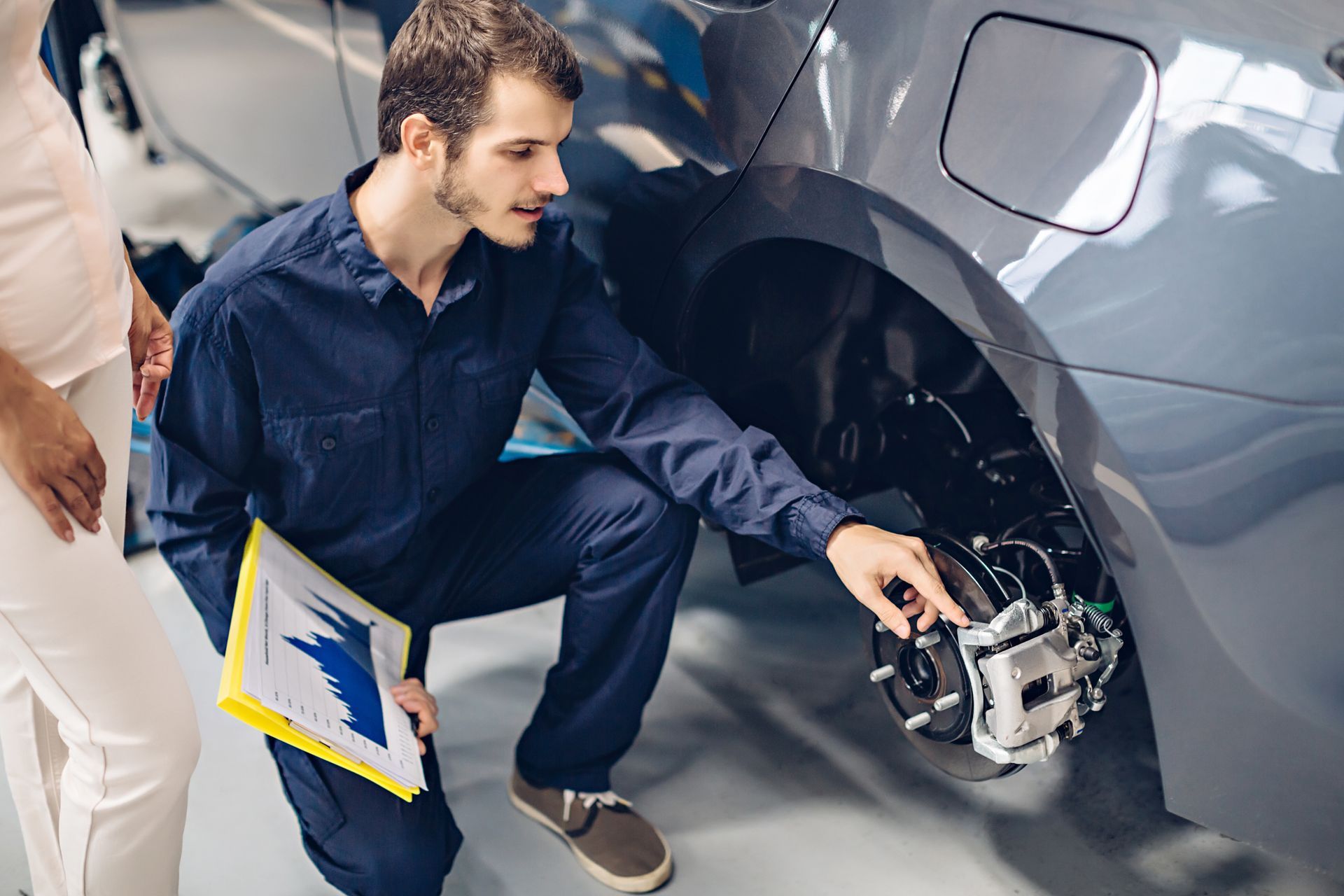
Brake wear can build slowly enough that drivers adjust to it without realizing how much the pedal or stopping feel has changed. A school-year routine adds more stop-and-go driving, so this is a good time to notice anything unusual.
At our shop, we check pad thickness, rotor condition, brake fluid level, hoses, and visible hydraulic components. Tell us if you have noticed squealing, grinding, pulling, pulsation, or a pedal that feels lower or softer than it used to.
A brief squeak does not always mean the brakes are worn out, but grinding or a major change in pedal feel deserves faster attention.
Test the Battery Before the Weather Changes
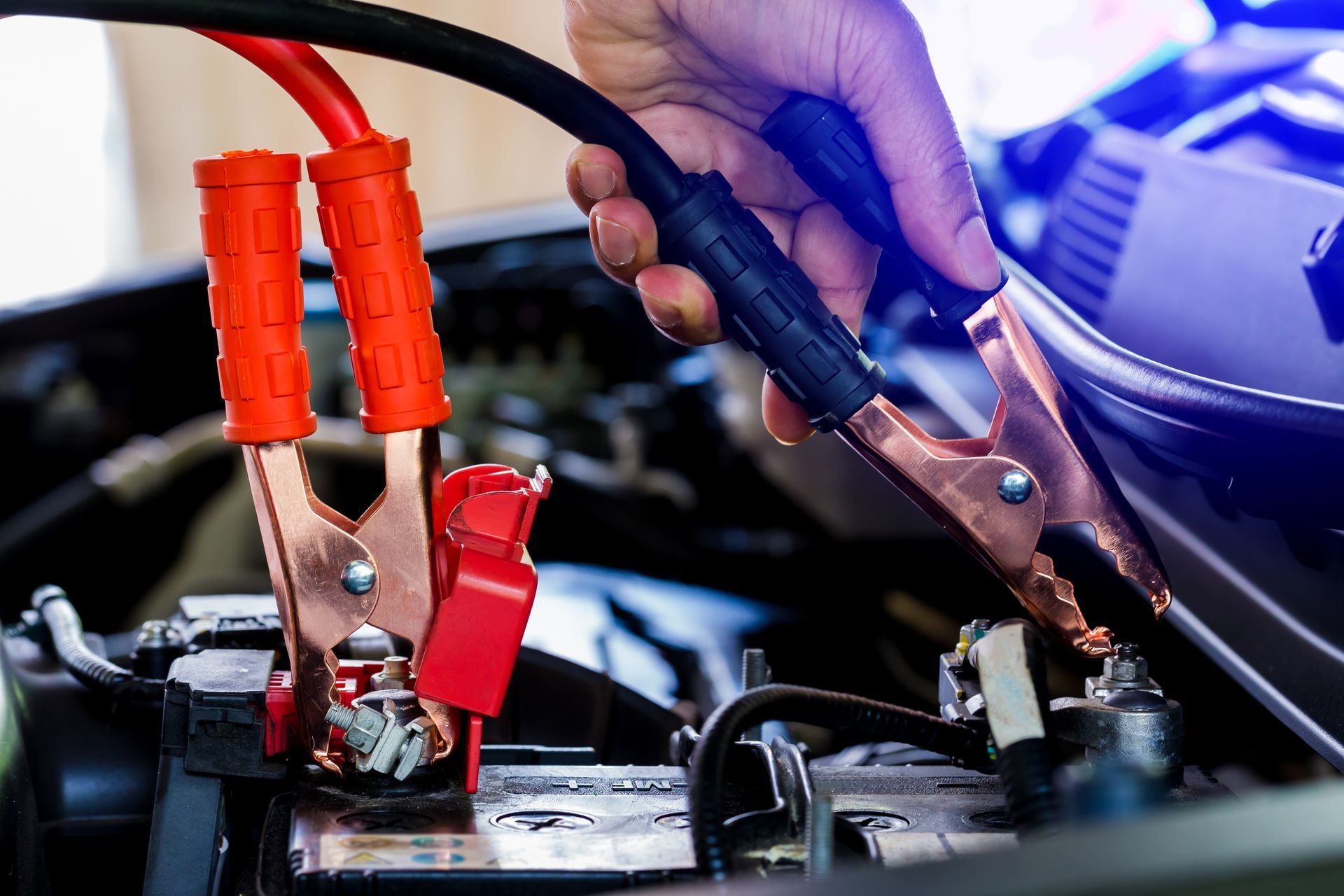
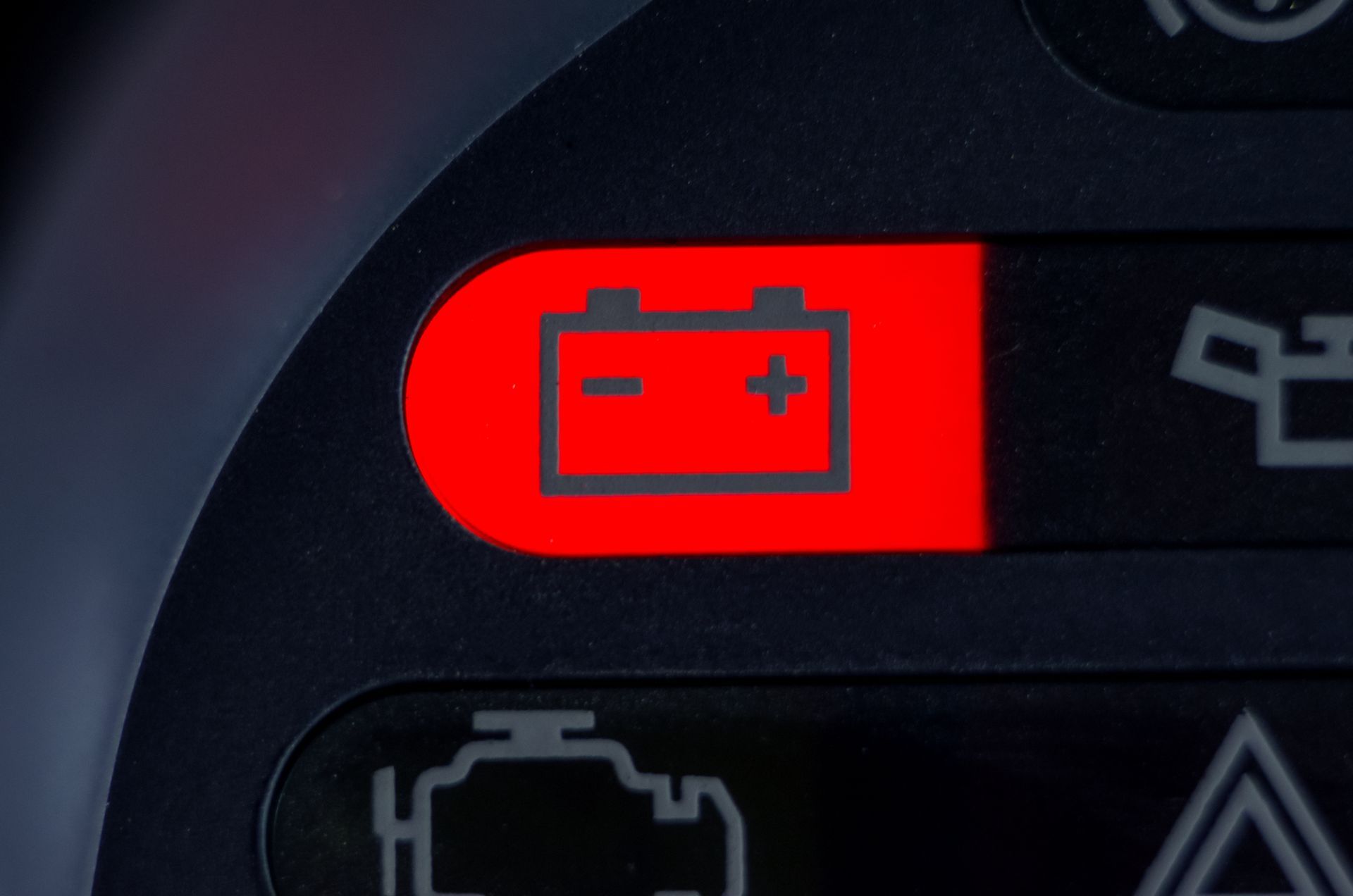
A battery does not always give much warning before it becomes unreliable. It may start the car normally most days and then struggle after the vehicle sits overnight or after several short trips.
We can test battery condition, charging voltage, and cable connections. Corrosion around the terminals, loose connections, or a weak alternator can create starting problems that look like a bad battery.
If the engine cranks slower than usual, electronics reset during startup, or the battery is older and has never been tested, checking it before fall is a practical move. Busy school mornings are not the best time to discover that the car will not start.
Check Fluids and Look for Leaks
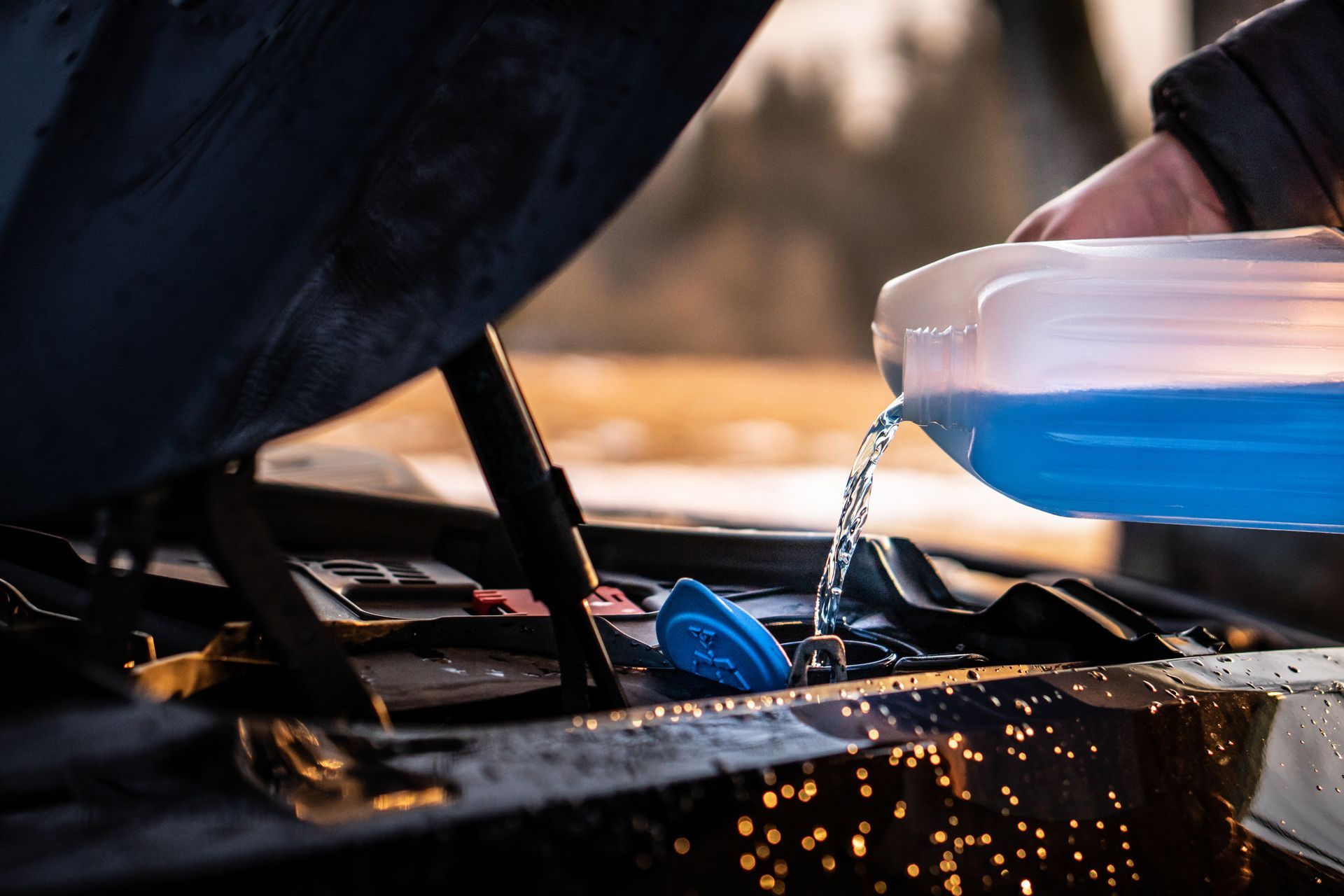
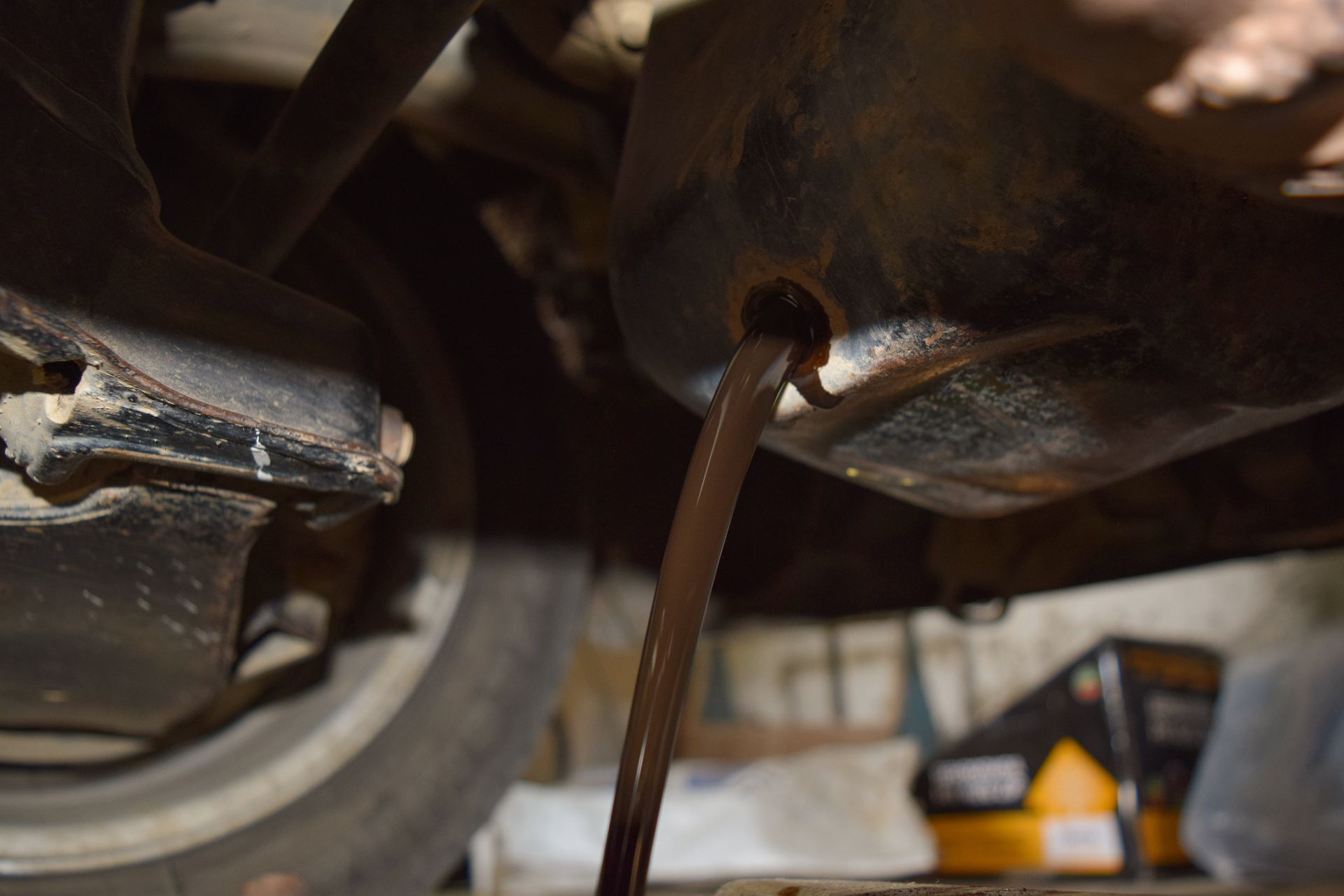
Engine oil, coolant, brake fluid, transmission fluid (where serviceable), and power steering fluid in hydraulic systems all deserve a look. Low fluid can point toward a leak or consumption issue even when there is no warning light.
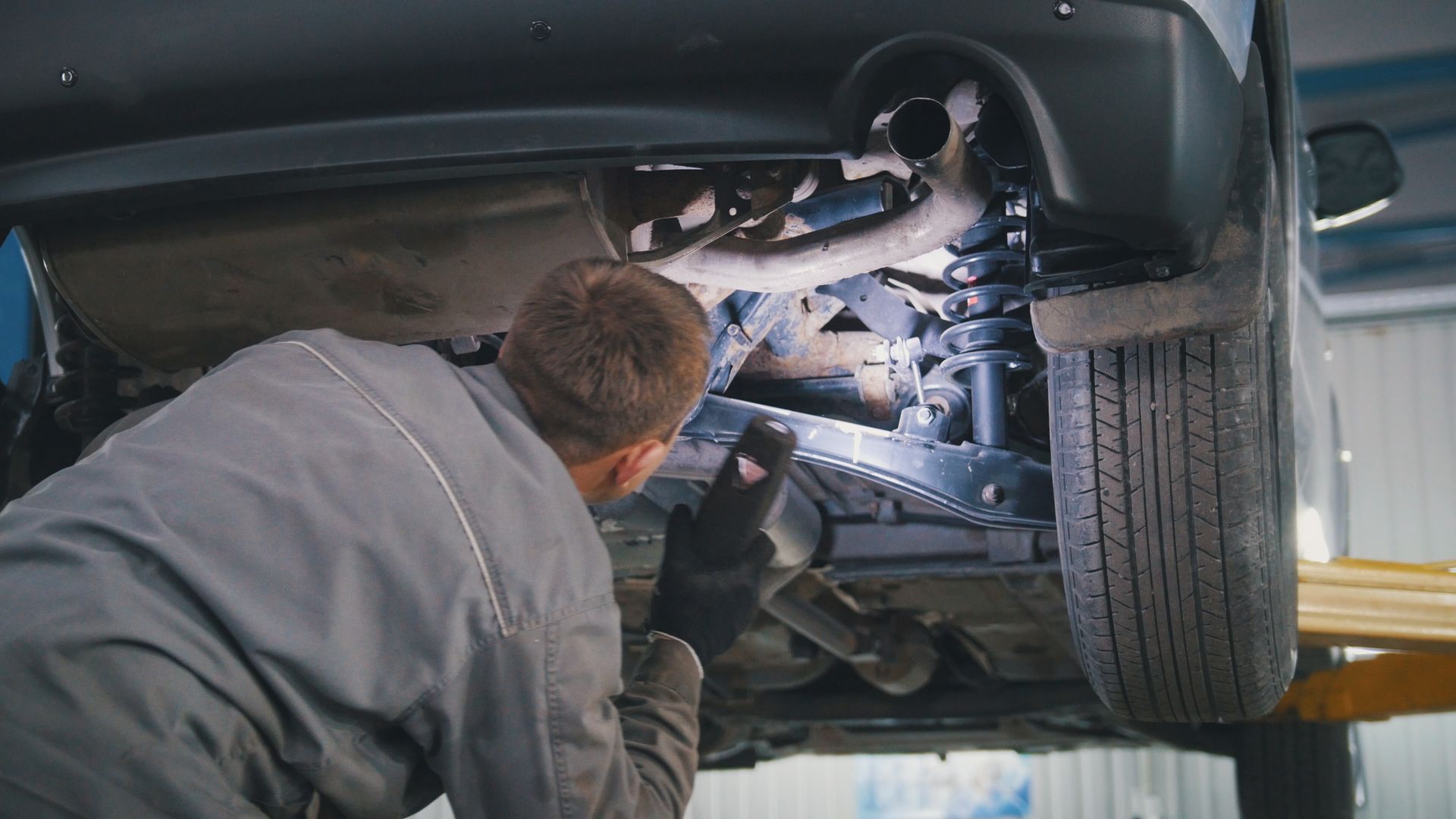
During an inspection, we also look underneath for fresh wet areas and dried residue. A small coolant leak, for example, can become more noticeable once the vehicle returns to heavier daily use.
Regular maintenance helps keep fluid services organized so they are handled by the correct interval rather than all at once. If a service is not due yet and the fluid condition is acceptable, there is no reason to replace it just because the school year is starting.
Do Not Forget Wipers, Lights, and Defrost
Fall often brings darker mornings, changing weather, and more driving in rain. Visibility becomes much more important when traffic is heavy, and the windshield is wet.
Check that the wiper blades clear the glass without streaking or chattering. Make sure the washer system sprays correctly and that headlights, brake lights, turn signals, and reverse lights all work.
The defroster should also move enough air toward the windshield to clear fog quickly. Weak airflow can come from a dirty cabin air filter, blower problem, or HVAC door issue. It is easier to deal with those problems before the first cold, damp morning.
Listen for Small Changes Before They Get Worse
New noises and vibrations are worth mentioning even if the car still drives normally. A humming sound at highway speed, clicking during turns, steering-wheel vibration, or clunk over bumps can point toward tire, wheel bearing, CV axle, steering, or suspension wear.
We would rather check a small change while the vehicle is already in for service than wait until it becomes loud enough to interrupt the school routine. Not every noise leads to a major repair, but knowing what is causing it gives you a chance to plan.
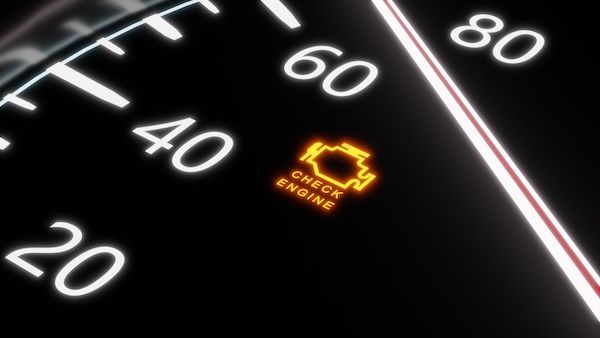
If a warning light is on, bring that up too. Clearing the light without finding the cause only makes the problem disappear temporarily.
Get Back-To-School Auto Service In Plano, TX, With Plano Lube & Auto Repair
If your family vehicle is heading into a busy school-year schedule, Plano Lube & Auto Repair in Plano, TX, can check the tires, brakes, battery, fluids, lights, wipers, and other systems that affect daily reliability.