
What Should You Know Before Your Car's Next Oil Change Service?
Oil change service is one of the most familiar maintenance jobs, which is exactly why it gets underestimated. Drivers know the routine. Drop the car off, get fresh oil, leave with a new sticker, and move on with the week.
The service itself may be simple, but the details still count.
Modern engines depend on the right oil, the right filter, the proper level, and a quick check for leaks or early wear. A rushed or incomplete oil change can miss problems that are easier to handle while the vehicle is already in the shop.
The Right Oil Is Not Always Obvious
Years ago, choosing engine oil felt more straightforward. Today, many vehicles need a specific viscosity and manufacturer approval. The number on the bottle, such as 0W-20 or 5W-30, is only part of the requirement.
Some engines use turbochargers, variable valve timing, timing chains, or tight oil passages that depend on the correct oil formula. The wrong oil may not cause an immediate noise or warning light. The problem can build slowly over time due to deposits, wear, poor cold-start protection, or oil flow issues.
Before your next oil change, make sure the shop uses oil that matches your vehicle’s actual requirements, not just something close.
The Oil Filter Deserves Attention Too
A fresh oil change should always include a quality filter. The filter catches particles, carbon, and small debris that should not circulate through the engine. If the filter is cheap, incorrect, clogged, or poorly installed, the engine is not getting the full benefit of the service.
Some vehicles use cartridge-style filters with O-rings and plastic housings. Those parts need to be installed carefully. A pinched seal, loose cap, or overtightened housing can create leaks after the service.
The filter may not be the part drivers think about, but it matters every mile after the oil change.
Mileage Is Not The Only Timing Factor
Oil change intervals are not only about miles. Time, driving habits, engine hours, heat, short trips, traffic, and idle time all affect oil life. A car that spends most of its time on short errands may need service sooner than one driven mostly on steady highway trips.
Short trips can leave moisture and fuel residue in the oil because the engine may not stay hot long enough to burn them off. Stop-and-go driving can add heat and engine hours without adding many miles.
The maintenance reminder is helpful, but it is not the whole story. Your oil change schedule should match how the vehicle is actually used.
Check The Oil Level Between Services
A car can be current on oil changes and still run low. Some engines burn oil as they age. Others leak from valve cover gaskets, oil pan gaskets, oil filter housings, drain plugs, or seals. A clean driveway does not always prove the engine is dry underneath.
Oil can collect on splash shields, blow backward under the car, or burn off on hot parts. A faint burnt-oil smell after parking is often the first clue.
Checking the oil level between services is a good habit, especially before road trips. If the level keeps dropping, track how much oil you add and how many miles it takes. That information helps during an inspection.
Dark Oil Does Not Always Mean Disaster
Dark oil can look alarming, but color alone does not tell the whole story. Oil darkens as it collects contaminants and does its job. Some engines turn fresh oil dark fairly quickly, especially with short trips or higher mileage.
More serious signs include oil that smells strongly like fuel, feels gritty, looks sludgy, or appears milky. Milky oil can indicate moisture or coolant contamination. A strong fuel smell can point to fuel dilution. Thick sludge may suggest overdue service or a deeper engine concern.
If something about the oil looks or smells wrong, it is worth asking about it instead of treating the service like a quick drain and fill.
Oil Leaks Should Be Looked At During Service
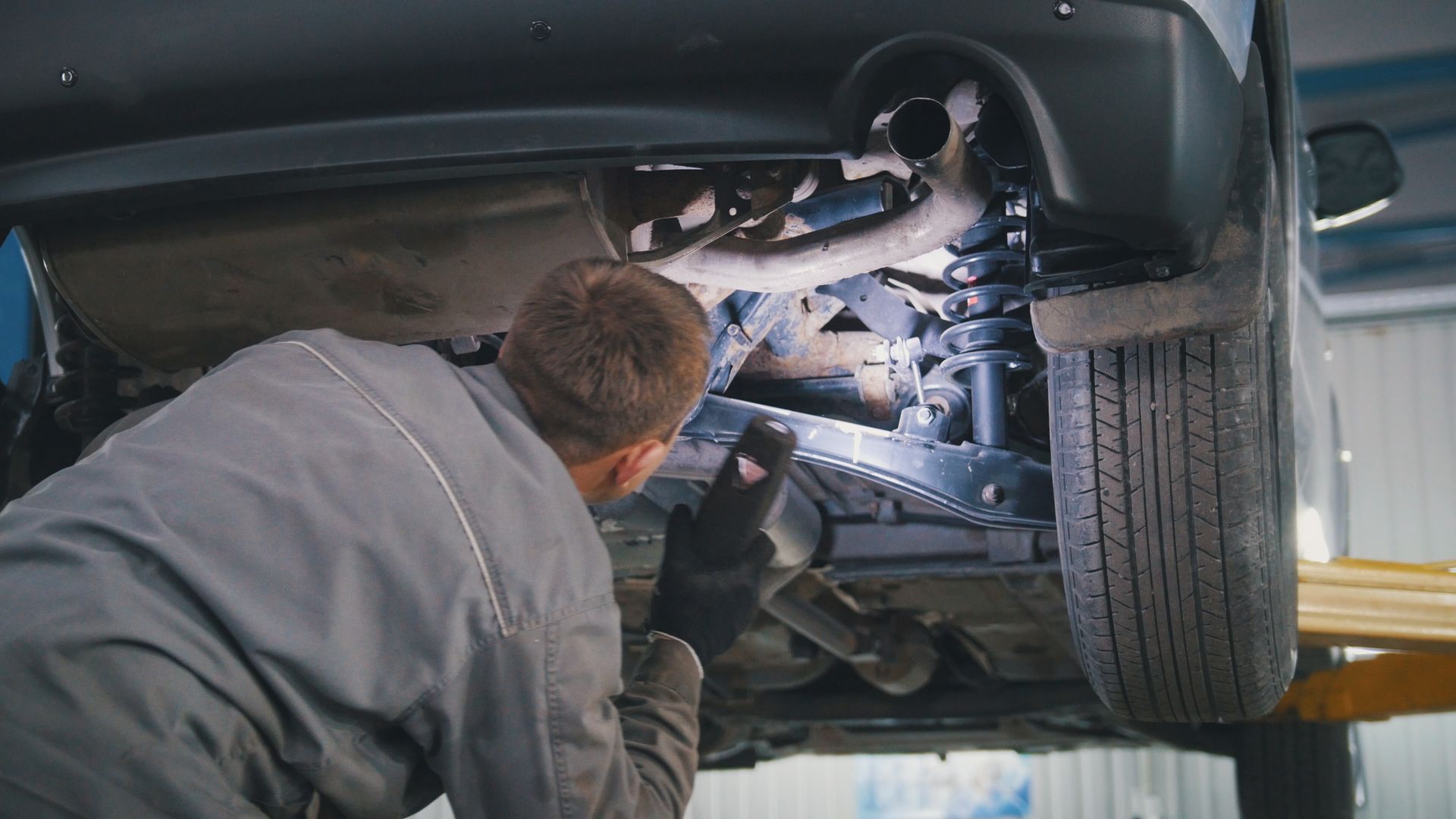
An oil change is a good time to check for leaks because the vehicle is already being serviced. Fresh seepage around the filter housing, valve cover, oil pan, drain plug, timing cover, or seals can be easier to spot from underneath.
Small leaks are not always urgent, but they should be documented. A small seep today can become a stronger leak later, and oil can damage rubber hoses, belts, wiring, or mounts if it spreads.
Regular maintenance works better when each visit builds a little history. If the leak was dry last visit and fresh this time, that change matters.
Warning Lights Are Not Oil Change Reminders
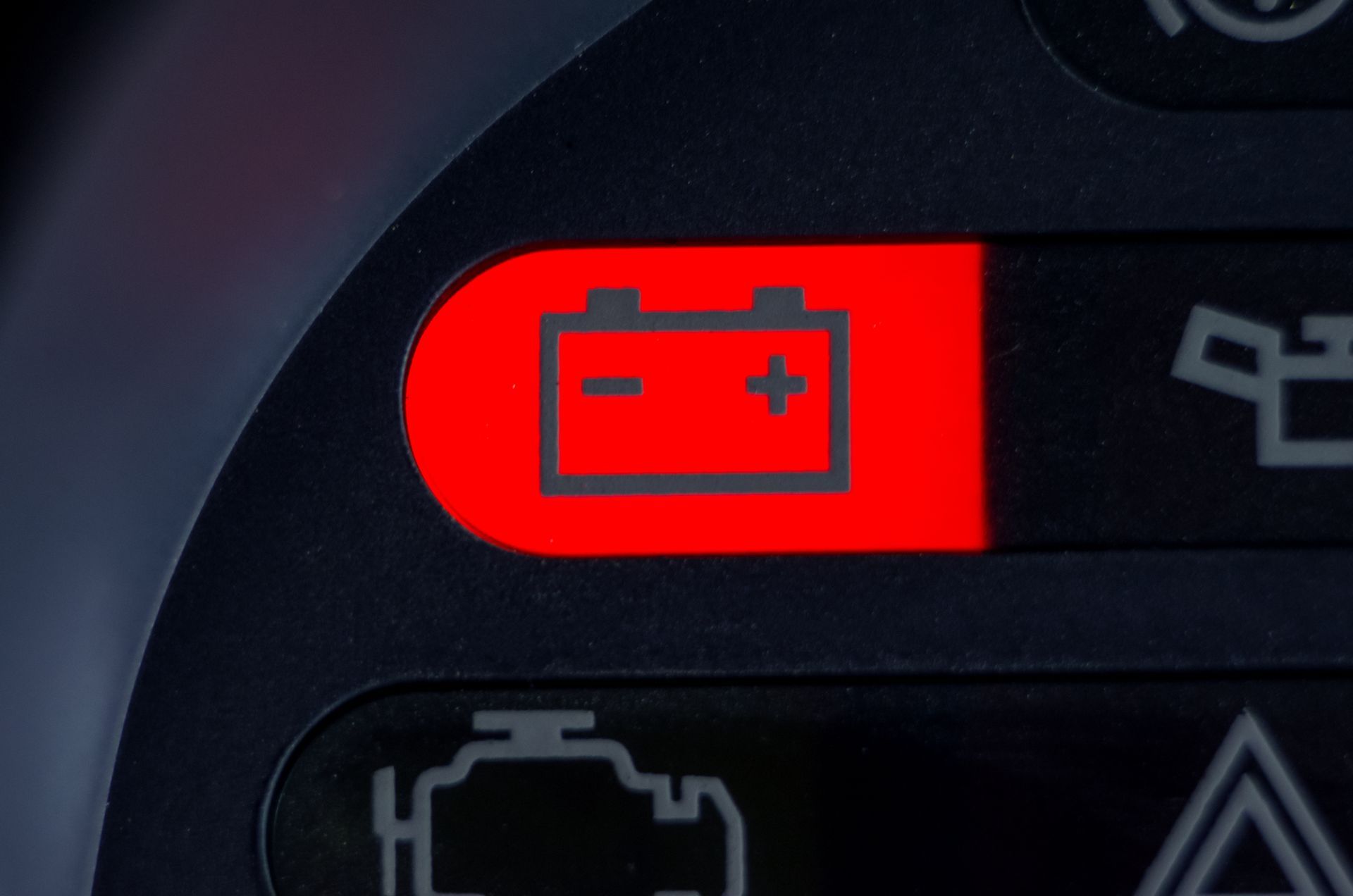
An oil life reminder tells you service is due. An oil pressure light is different. If the oil pressure warning comes on while driving, pull over safely and shut the engine off. Low oil pressure can quickly damage internal engine parts.
A low oil level warning should also be taken seriously. Adding oil may help if the level is low, but it does not explain why the engine got low in the first place.
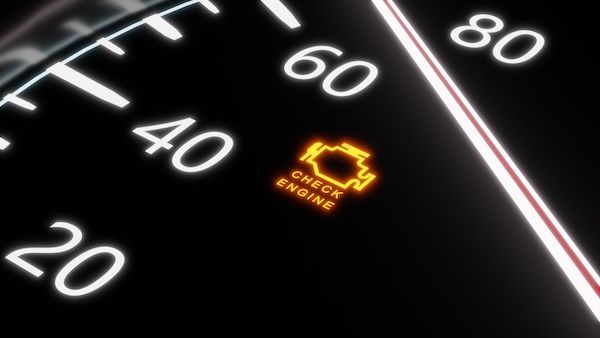
If a warning light appeared before your oil change, mention it during service. The light may point to a level issue, sensor problem, pressure concern, or leak that needs more than fresh oil.
Get Oil Change Service In Plano, TX, With Plano Lube & Auto Repair
If your vehicle is due for oil service, using oil between visits, leaking, or showing an oil warning light, Plano Lube & Auto Repair in Plano, TX, can service it with the correct oil and filter while checking for early concerns.
Schedule a visit and keep your next oil change from being just another sticker on the windshield.